If you’ve been seeing ads or messages about the Eperash loan app and wondering whether it’s legit or just another online lending scam in the Philippines, this review will help you find out. We analyzed real user experiences, SEC registration records, and harassment complaints to determine if Eperash is a safe and legal lending app. Here’s what you need to know before applying for an Eperash cash loan.
What is Eperash?
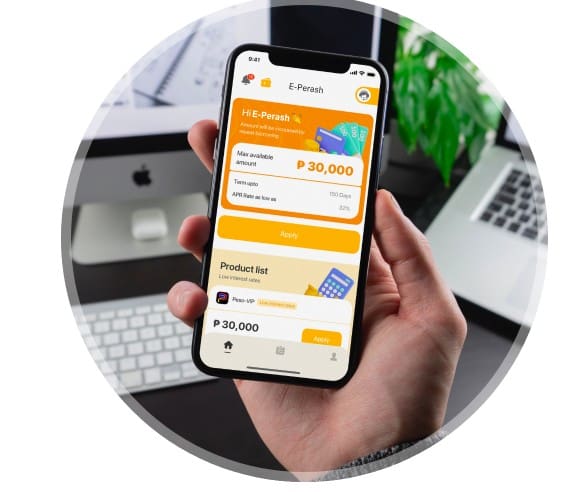
Eperash is a digital lending platform operating in the Philippines, offering instant cash loans through its mobile app. According to its promotional materials, Eperash claims to provide fast approval, flexible payment options, and minimal requirements for borrowers. The app is available for download on both Android (APK) and iOS platforms.
However, despite its growing popularity, many borrowers have raised concerns regarding its legitimacy, harassment complaints, and SEC registration status.
Is Eperash SEC Registered in the Philippines?
Before applying for any loan app, always check if it’s listed with the Securities and Exchange Commission (SEC). Based on SEC public records, Eperash is not an officially registered financing or lending company under the name “Eperash Lending.”
In some cases, unauthorized apps may operate using names similar to legitimate entities. According to SEC advisories, only companies with a valid Certificate of Authority (CA) are allowed to legally offer loans in the Philippines.
For comparison, a legitimate lender should display:
-
SEC Registration No. — for example: CS201919995
-
Certificate of Authority No. — for example: 1257
If these details are missing or unverifiable, it’s a red flag that the company may not be compliant with SEC regulations.
User Reviews: Eperash Harassment Complaints and Victims’ Experiences
Many borrowers have reported negative experiences with Eperash loan collection practices. In Facebook groups, Reddit threads, and complaint boards, users claim that Eperash representatives allegedly engaged in harassment, such as:
-
Threatening messages to borrowers and their contacts.
-
Data privacy violations, including unauthorized access to phone contacts.
-
Defamation or public shaming for unpaid loans.
While not all users report harassment, the volume of similar complaints suggests that Eperash might follow aggressive collection practices common among unlicensed online lending apps.
Borrowers should know that under the Data Privacy Act of 2012, such acts are punishable by law, and victims can report abusive lenders to the National Privacy Commission (NPC) or SEC for investigation.
Legit or Scam: Can You Trust the Eperash Loan App?
The main question remains: Is Eperash legit or not?
Based on available information:
-
❌ No verified SEC registration under the name Eperash.
-
⚠️ Multiple harassment complaints online.
-
⚠️ App removed or flagged periodically on Google Play due to policy violations.
-
⚠️ No transparent customer service or official email address listed.
All these factors indicate that Eperash is a risky and potentially unsafe lending platform. While it may disburse real loans, the lack of regulation and data protection compliance makes it unsafe for borrowers in the Philippines.
Eperash Loan Requirements and Process
If you still decide to try the Eperash lending app, here’s what users have reported about its loan process:
-
App download: Install the latest Eperash APK for Android or via the App Store for iOS (availability may vary).
-
Login/Registration: You’ll need to sign up with your phone number, valid ID, and contact list access.
-
Loan amount: Usually ₱2,000–₱25,000 for first-time borrowers.
-
Repayment period: 91–180 days, depending on approval.
-
Payment method: GCash, Maya, or bank transfer.
⚠️ Note: Granting access to your contacts and photos can be risky if the app is unverified. Many harassment complaints stem from data misuse.
Customer Service and Contact Details
As of 2026, Eperash does not maintain an official website, verified Facebook page, or customer service hotline. Some users mention generic email addresses, but responses are often automated or unhelpful.
Without verified communication channels, it’s hard to resolve disputes or file complaints, another reason why borrowers should be cautious.
If you are a victim of Eperash harassment, you can report the case to:
-
SEC Enforcement and Investor Protection Department (EIPD)
-
National Privacy Commission (NPC) — for data misuse complaints
-
Philippine National Police (PNP) Anti-Cybercrime Group — for threats or blackmail
Harassment Investigation and SEC Advisory
In previous years, the SEC has revoked the licenses of several online lending platforms for harassment and unauthorized collection practices. While Eperash itself may not appear in official advisories yet, its behavior matches the pattern of other revoked or banned loan apps.
If future investigations confirm that Eperash operates without a valid SEC license, it could face penalties or permanent closure. Always check the SEC’s official list of registered financing and lending companies before borrowing.
Safer Alternatives to Eperash
If you need quick financial assistance, consider legal and safe options:
-
Tala Philippines – SEC registered, transparent fees.
-
Cashalo – Licensed and compliant with the Data Privacy Act.
-
JuanHand – Regulated lender with clear loan terms.
-
GCash GLoan – Trusted digital platform integrated with verified financial institutions.
These alternatives offer safe online loans with proper customer service and data protection.
Final Verdict: Should You Use the Eperash Loan App?
After analyzing user complaints, SEC data, and app behavior, the conclusion is clear: Eperash is not a recommended lending platform for Filipino borrowers.
While it might offer quick cash loans, the lack of SEC registration, harassment complaints, and poor customer service make it unsafe. Borrowers should always verify a lender’s SEC registration number and Certificate of Authority before applying for a loan.
In short:
-
✅ Offers real loans (reported by users)
-
❌ No verified SEC registration
-
⚠️ High risk of harassment and data misuse
-
⚠️ Unclear company background
If you want peace of mind, choose legit, SEC-registered lending apps that comply with Philippine laws and protect your privacy.

Nicholas Bloom, professor of Economics at Stanford University, is a leading expert in online lending and digital banking. With over 20 years of experience, he specializes in fintech, risk analytics, and productivity research. A Frisch Medal and Bernácer Prize winner, Bloom blends academic expertise with practical fintech insights to promote responsible lending, data-driven innovation, and global financial policy improvement.

Leave a Reply